
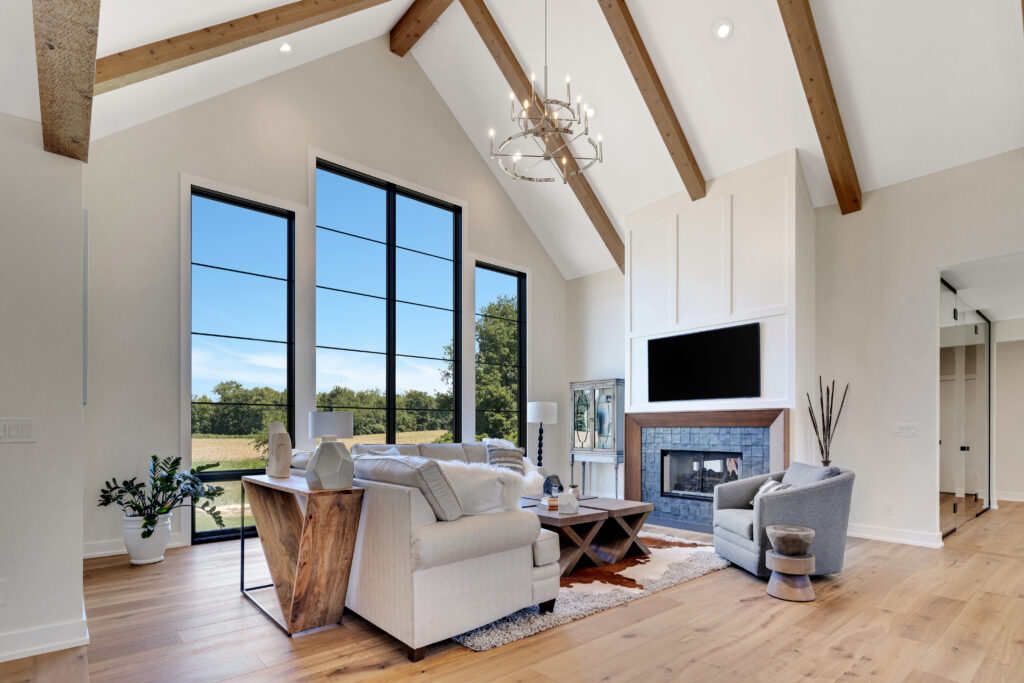
The house served you well, it was the right choice at the right time. You’ve made it yours.
But somewhere along the way, the layout that functioned fine for years doesn’t flow the way you need it to now. So the question surfaces: do you renovate what exists, or do you finally build what you actually want?
It’s a decision that deserves more than a quick gut check. At Engelsma Homes, we’ve walked dozens of families through this exact crossroads, and we’ve learned that the answer depends on seeing both paths clearly before committing to either one.
Renovation can accomplish real transformation when the bones are right. But it also comes with constraints that no contractor can engineer around limitations baked into the original design that no amount of investment will overcome.
Building new is a bigger undertaking, but it’s also the only path to a home with zero inherited compromises.
The difference comes down to knowing what each option can actually deliver and being honest about which one gets you where you want to be.
What Renovation Can and Can’t Fix
A home with solid structural bones, thoughtful original design, and a lot that captures light and views the way you want? That’s a genuine candidate for transformation. Updating finishes, opening up walls, reconfiguring rooms, even adding square footage these are real possibilities that can turn a dated house into something that feels entirely new.
The best Grand Rapids home renovations share a common trait: they’re enhancing what’s already working. The foundation is sound, the roofline has character worth preserving, the lot orientation puts the sun where you want it. You’re refining the home.
But renovation has a ceiling. And it’s lower than most people expect when they start dreaming.
Every renovation project means working within someone else’s original decisions. The footprint they chose, the ceiling heights they settled for, where the load-bearing walls landed, how the plumbing was routed through the structure.
These aren’t minor details you can design around, they’re foundational constraints that shape every possibility from that point forward, no matter how talented your architect or how generous your scope.
The process itself introduces friction that new construction simply doesn’t carry. Renovation unfolds in phases with decisions stretching across months and you’re often choosing finishes for a kitchen before you’ve seen how the new family room addition will actually feel.
Renovation is editing someone else’s story. Sometimes that’s exactly what’s needed, but it’s worth understanding the difference between editing and creating something new.
The Constraints You Can’t Renovate Around
There’s a moment in almost every major renovation where the vision collides with the physics of what exists. It’s not a failure of imagination or a limitation of skill it’s simply the reality that some things about a house cannot be changed, no matter how much you’re willing to invest.
The most common immovable constraints include:
- Lot orientation. You can’t rotate a house to capture morning light in the kitchen or position the primary suite to face the sunset. If the original builder prioritized curb appeal over how you actually live, you’re inheriting that decision permanently.
- Ceiling heights. A home built with eight-foot ceilings will never deliver the spatial volume of ten-foot ceilings. You can vault a ceiling in limited areas if the structure allows, but raising the entire plane means essentially rebuilding from the ground up.
- Flow and sightlines. Some floor plans resist reconfiguration because of how the original architect conceived movement through the space.
You can open up a wall here and there, but the fundamental circulation pattern of the home was locked in when the foundation was poured.
Some homes are worth working within these constraints.
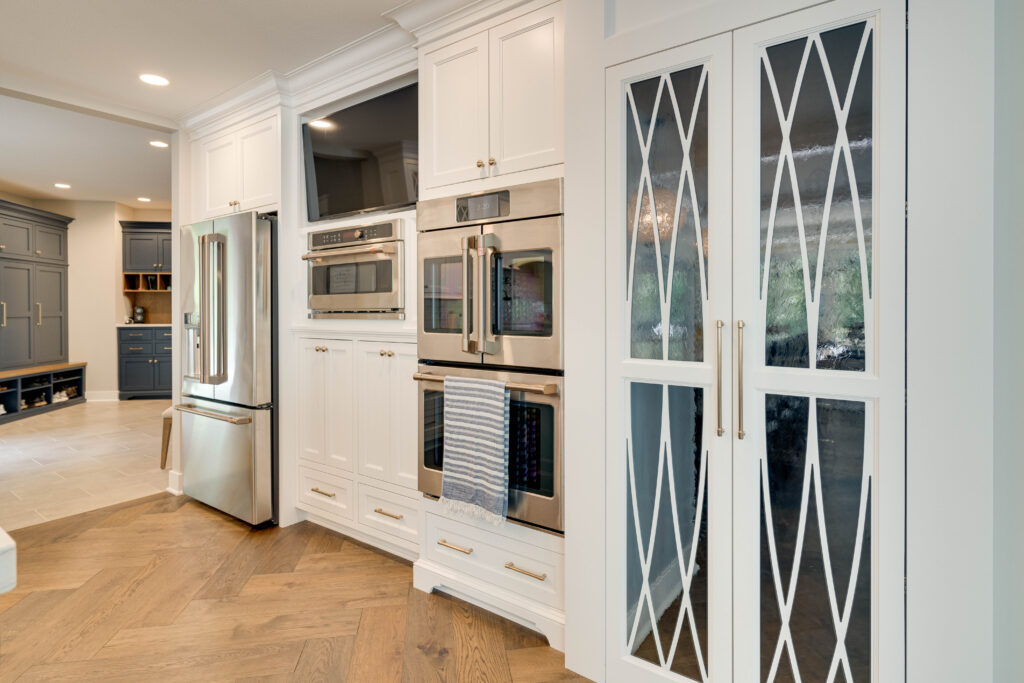
What Building New Actually Gives You
The difference between renovation and new construction isn’t just scope it’s the fundamental nature of the experience.
When you build a new home, every decision is intentional. The ceiling heights are what you want them to be. The kitchen makes sense for how your family actually lives. The flow from room to room reflects your patterns, not someone else’s assumptions from two decades ago.
Building new offers advantages that renovation simply can’t match:
- Design clarity. You see the entire home before breaking ground, every room and sightline working together as a complete picture. No anxiety about whether early choices will still feel right months later. You get to fall in love with your home before it exists, and then watch it come to life exactly as you imagined.
- Integrated systems. Building a custom home means designing mechanical systems, electrical infrastructure, and smart home capabilities into the bones of the house from day one. Nothing is retrofitted or routed around existing constraints. Everything belongs.
- Emotional ease. Renovation means living through disruption, managing the intrusion of construction on your daily life, watching your existing home get torn apart before it gets put back together, and hoping the end result justifies the chaos. New construction lets you stay whole while something beautiful takes shape somewhere else, ready to welcome you only when it’s finished.
Both paths require commitment. But only one delivers a home with nothing to apologize for. If you’re thinking it over, the team at Engelsma Homes is happy to help.
The Questions That Reveal Your Answer
Most families arrive at this decision already leaning one direction, even if they haven’t articulated it yet. The right questions don’t create the answer, they surface what you already know but haven’t said out loud.
These are the questions we ask when families come to Engelsma Homes at this crossroads:
Start with the most clarifying question of all: If you could have exactly what you want, would this house be it? Consider whether you’re trying to fix the house or transform it.
Fixing is addressing specific problems while preserving the essential character of what exists. Transformation means wanting the house to become something different from what it is today.
Think about how you want to make decisions. If the idea of phased decisions spread over a year sounds exhausting, that instinct is telling you something important.
Ask yourself what you would regret more, leaving this location or living with this home’s limitations for another twenty years. Both carry weight. But one of those regrets will land harder than the other, and only you know which one it is.
The purpose of these questions isn’t to push you toward a predetermined answer. It’s to help you find clarity before you’ve invested months and emotional energy into a path that was never going to deliver what you actually wanted.
Your Next Step with Engelsma Homes
This decision is too significant for guesswork, and too personal for generic advice. What makes sense for your family depends on factors that only become clear when someone takes the time to understand what you’re actually trying to achieve.
The home owners we work with come to us at different points in this process. Some arrive certain they want to build new while others are weighing their options and need help seeing both paths clearly before they commit.
Whichever direction makes sense for you, Engelsma has the design expertise, in-house craftsmanship, and proven process to deliver it with the certainty and transparency that most builders simply can’t offer.
Contact our team to talk through what you’re envisioning and get a clear-eyed assessment of how to make it happen. One call. One team. Zero surprises whether you’re transforming what you have or building exactly what you want our team at Engelsma Homes is here to support you.