
Not every signature on a selection sheet carries the same weight. Some trigger production orders that can’t be reversed, while others lock in decisions that affect choices you haven’t even considered yet, and some selections stay flexible far longer than you might assume.
The problem isn’t making wrong choices, but making choices without understanding which ones you’re committed to, which ones can still be adjusted, and what it actually takes to change your mind.
Can you still change the paint color after you’ve signed off? What about switching from painted cabinets to stained? The answers depend entirely on timing, production schedules, and how your custom home builder structures the selection process from the start.
Why The Selection Timeline Matters
When you sign off on a finish, a fixture, or a material, you’re confirming a direction. The moment that decision actually locks in depends on what happens next. Some selections trigger immediate production orders while others get scheduled into a trade’s workflow weeks later. Certain materials need to be reserved early because they simply can’t be returned or reordered on a short timeline.
Most selection sheets don’t make these distinctions visible. Every line item looks the same on paper, which leads to unnecessary stress over decisions that could easily be revisited, or false confidence about decisions that were already final the moment you signed.
Understanding the mechanics behind each selection reveals how much flexibility you actually have. When does it go to production? When are trades scheduled around it? When do materials get ordered? The answers to these questions shape your ability to adjust course, and knowing them upfront changes how you approach the entire process.
The Selections You Can’t Walk Back
Structural & Systems Layout: Electrical layout, plumbing positions, HVAC routing, and wall placements are all decisions that finalize before drywall goes up. Every trade coordinates around them, so changing course afterward means opening walls, rerouting systems, and absorbing delays that ripple through the rest of the schedule.
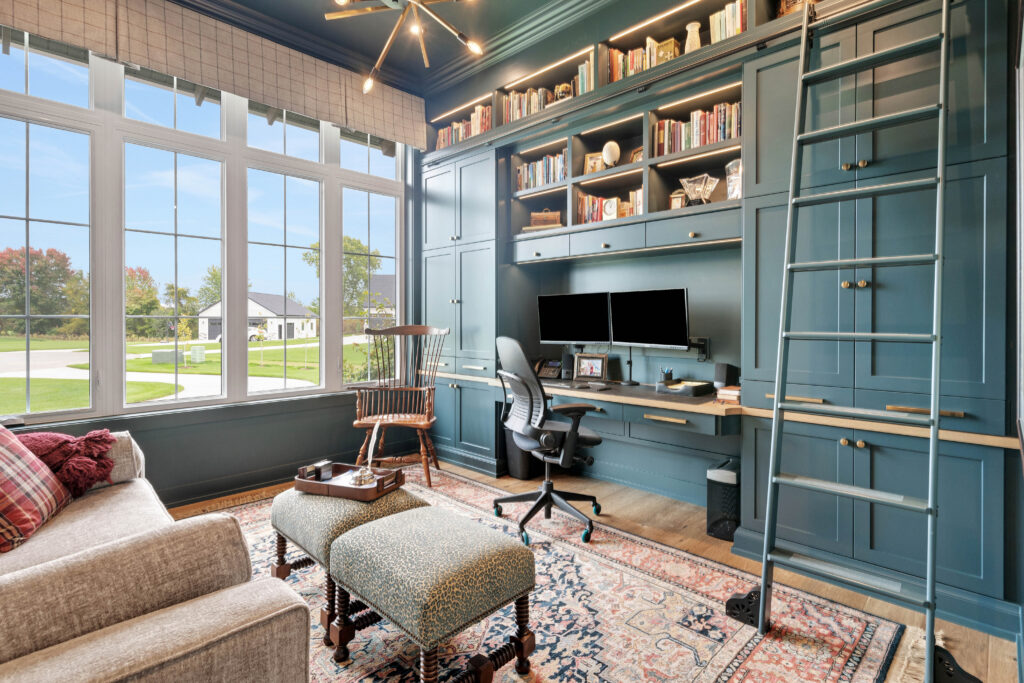
Cabinetry & Millwork: Cabinetry and millwork lock in earlier than most clients expect. Custom production requires lead time, and the commitment runs deeper than design alone. Switching from paint-grade to stain-grade isn’t a simple color change, it requires a different material entirely, affecting production timeline and potentially the design details built around the original selection.
Imported Fixtures, Stone Slabs & Custom Hardware: These items need to be secured months before installation to ensure they arrive when the project requires them. The selection might feel premature when you’re still looking at framing, but waiting too long puts the entire schedule at risk.
The common thread across all of these: custom fabrication, multi-trade coordination, and limited material availability. Recognizing which selections fall into this category helps you focus your attention where it matters most during the early phases of your build.
When Adjustments Are Less Disruptive
The goal is always to make the right decision the first time. Revisiting selections mid-build introduces delays, coordination challenges, and sometimes additional cost. That said, not every selection carries the same consequences if something needs to change.
Paint colors, for example, are often adjustable until shortly before painters arrive, making them one of the more forgiving selections in the process. Lighting fixtures, cabinet hardware, faucets, and door hardware follow the same rule: flexibility exists only when decisions are made on time.
The determining factor isn’t when the item gets installed but when it needs to be ordered. Selections with longer lead times lock in earlier, while items readily available from local suppliers are easier and less costly to change if your thinking evolves. Understanding which decisions fall into each category helps you navigate the process with clarity and confidence.
The Questions Worth Asking
Before signing off on any selection, a few simple questions reveal exactly where you stand.
- When does this go into production or get ordered? This tells you your actual flexibility window, not the date on the selection sheet, but the moment the decision becomes irreversible.
- What would it take to change this after I’ve signed off? Sometimes it’s a simple swap. Sometimes it’s weeks of delay and a significant upcharge. Knowing the difference upfront prevents surprises later.
- Does this selection affect anything else I haven’t decided yet? A cabinet finish might determine wood species. A tile selection might affect shower niche dimensions. These connections matter, and understanding them helps you sequence your decisions more strategically.
- Can I see this in context before finalizing? Samples in your actual space, 3D visualization, or a walkthrough of a completed home with similar selections—any of these can confirm a direction or raise questions you wouldn’t have thought to ask otherwise.
A builder who welcomes these questions is one who wants you confident in your decisions, not just moving through the process.
Start Your Journey With Engelsma Homes
The selection process should create clarity, not second-guessing. Every signature should come with a clear understanding of what you’re committing to, how much flexibility remains, and what happens if your thinking evolves along the way.
That’s how Engelsma approaches selections—with transparency built into the process from the start. Our team walks through each decision with you, explains the timeline behind it, and ensures you’re never signing off on something you don’t fully understand.
Ready to experience a selection process that actually makes sense? Schedule a consultation with Engelsma Homes today and take the first step toward building with complete confidence.